
Featured Research
How Experiments Help Campaigns Persuade Voters
2024
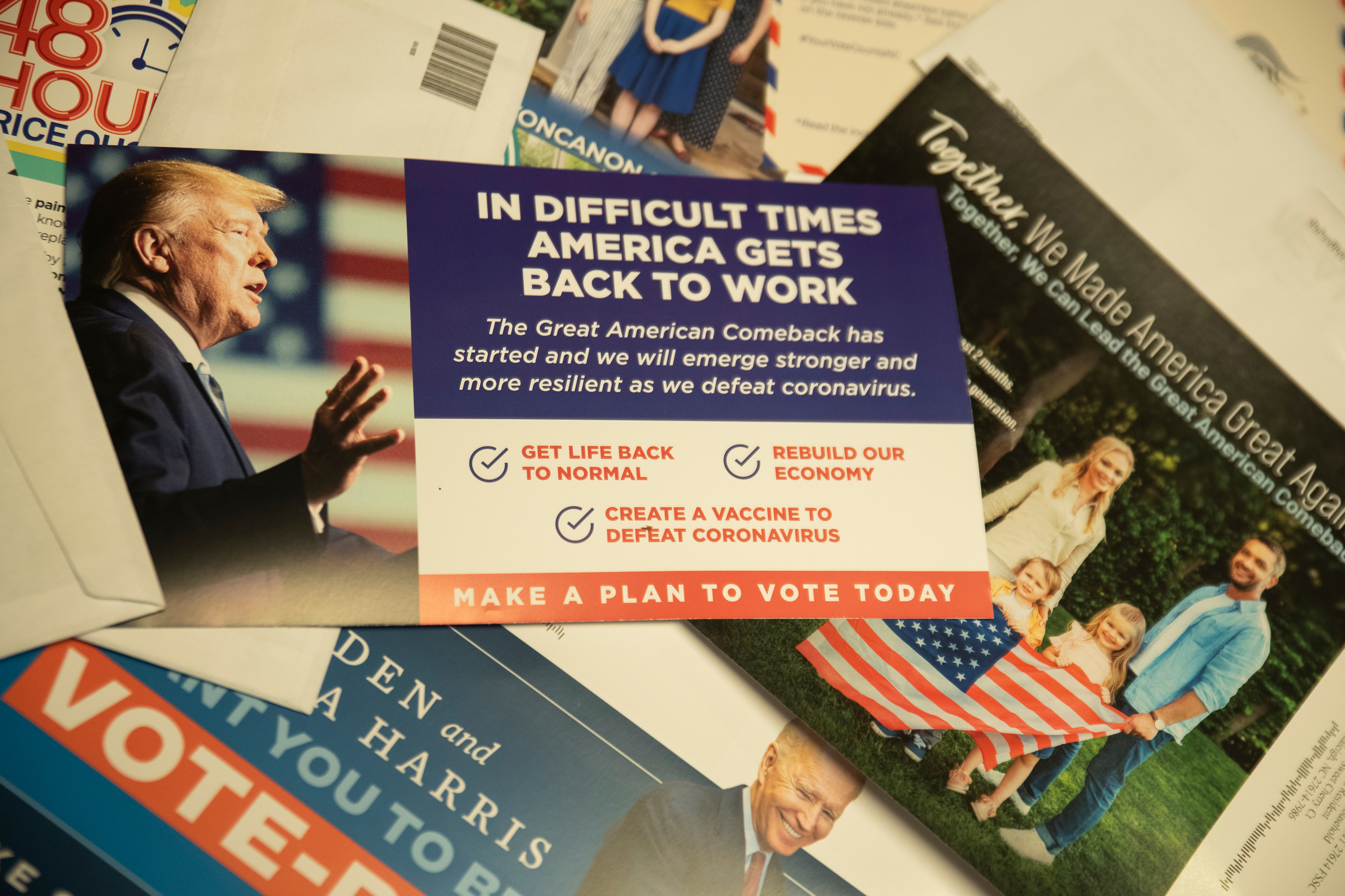
Do experiments help campaigns to change voters minds? Ben Tappin and various co-authors use an unique archive of over 600 real campaign experiments. They reveal that campaigns can indeed persuade voters. The effects are small but meaningful. This groundbreaking study provides the first large-scale evidence of how political persuasion works in practice.
Read the full study
When Infrastructure Wins Elections
2024
Can bringing electricity to rural communities boost a government's electoral chances? What are the conditions under which this happens? Victor Araújo and co-authors analyse Brazil's massive rural electrification program and show that voters do reward incumbents for tangible improvements to their daily lives. This research demonstrates how infrastructure investments can reshape electoral landscapes in developing democracies.
Read the full study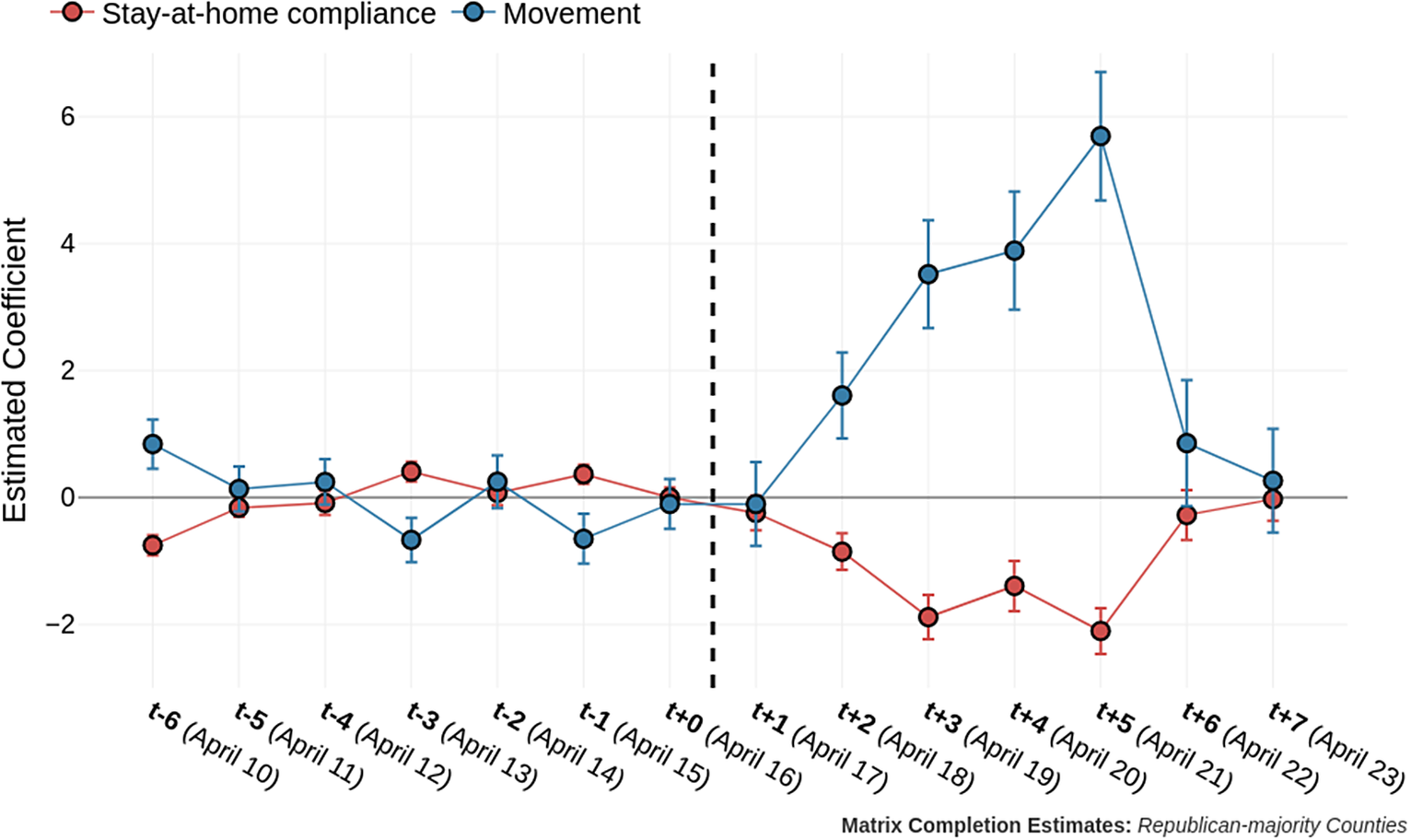
Elite Cues and Noncomplaince
2024
What happens when political elites openly defy rules and norms? Zach Dickson and Sara Hobolt use difference-in-differences analysis on Tweets to show that when leaders signal non-compliance with democratic institutions, ordinary citizens become more likely to break rules themselves. This research reveals a dangerous pathway through which democratic erosion can accelerate in polarized environments.
Read the full study
Drivers of Political Participation
2023
Why do some citizens actively participate in politics while others remain disengaged? Matthias Kroenke and co-authors conduct a comprehensive study including survey experiment of Zambian voters revealing that partisanship shapes the most important role while ethnicity and social incentives all play lesser roles in driving political participation. These findings challenge conventional wisdom about political engagement and develpoment throughtout the region.
Read the full study
The Limits of AI Political Persuasion
2025
As AI language models become more sophisticated, concerns grow about their potential to manipulate political opinions. Ben Tappin and co-authors in cutting-edge experiments reveal that larger AI models can be more persuasive, the returns diminish quickly towards zero. This research provides crucial evidence for understanding AI's role in future political campaigns.
Read the full study
Balancing politics and parenthood
2024
Should politicians take parental leave? Jessica Smith reveals the complex public attitudes toward MPs who prioritize family responsibilities. Voters are found to not penalize politicians who seem to put parenting before politics. This effect is stronger for women than men.
Read the full study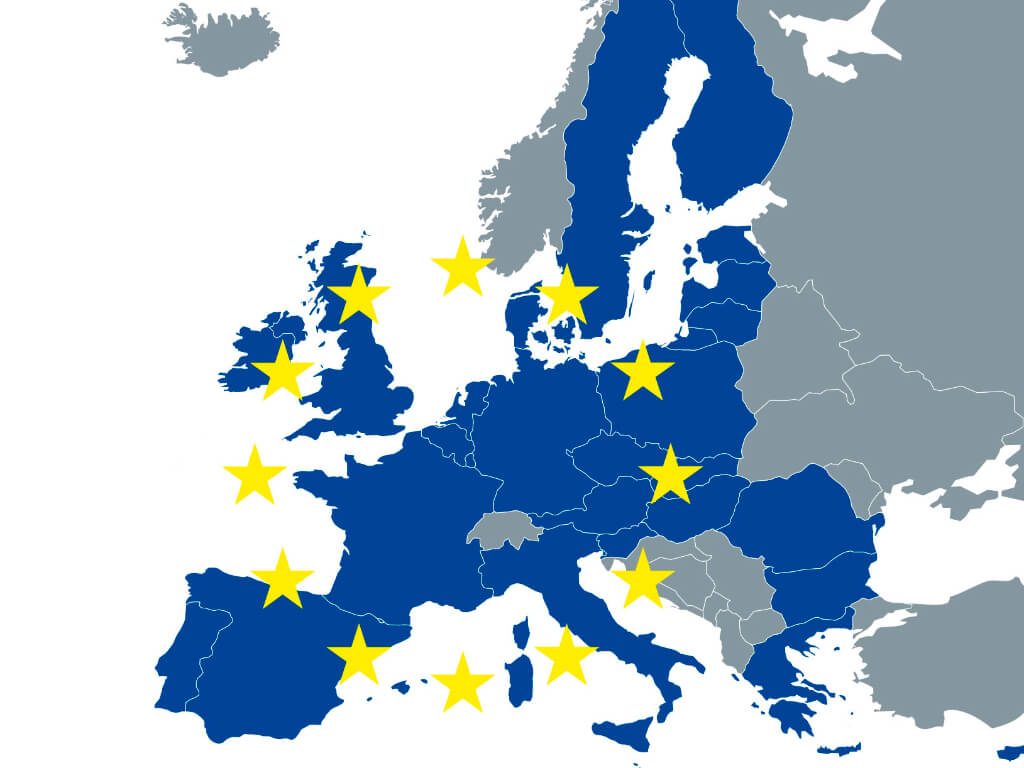
The Europeanisation of policy preferences: cross-national similarity and convergence 2014–2024
2025
How has European integration shaped policy preferences across member states? This comprehensive study by Miriam Sorace examines cross-national similarity and convergence in policy preferences from 2014 to 2024, revealing important patterns in how European integration influences domestic political attitudes and policy priorities across different countries.
Read the full study
Do voters differentially punish transnational corruption?
2024
Under which circumstances do voters electorally punish corrupt politicians? Vanessa Cheng-Matsuno and co-author examine the case of transnational corruption through a survey experiment in the UK. They find evidence suggesting that voters differentially punish transnational corruption but only when it involves countries perceived negatively by the public. This innovative study challenges the status quo neglecting the transnational dimension in electoral accountability.
Read the full study
The Polarizing Effect of Partisan Echo Chambers
2024
What shapes polarization? Sara Hobolt, Katharina Lawall and co-authors examine how the political homogeneity of people's social environment shapes polarization using an innovative large scale lab-in-the-field experiment in the UK. They find that partisan echo chambers increase both policy and affective polarization compared to mixed discussion groups. Their study has important implications for how to understand the drivers of polarization.
Read the full study
Education as Identity? A Meta-Analysis of Education-Based Preferences
2024
Do voters across the democratic world systematically prefer better-educated legislators? Stuart Turnbull-Dugarte and co-authors conducted a meta-analysis of candidate-choice experiments from democracies across the world to identify the presence and size of the education premium in politics. This comprehensive analysis contributes to explaining the over-representation of highly educated politicians in representative institutions.
Read the full study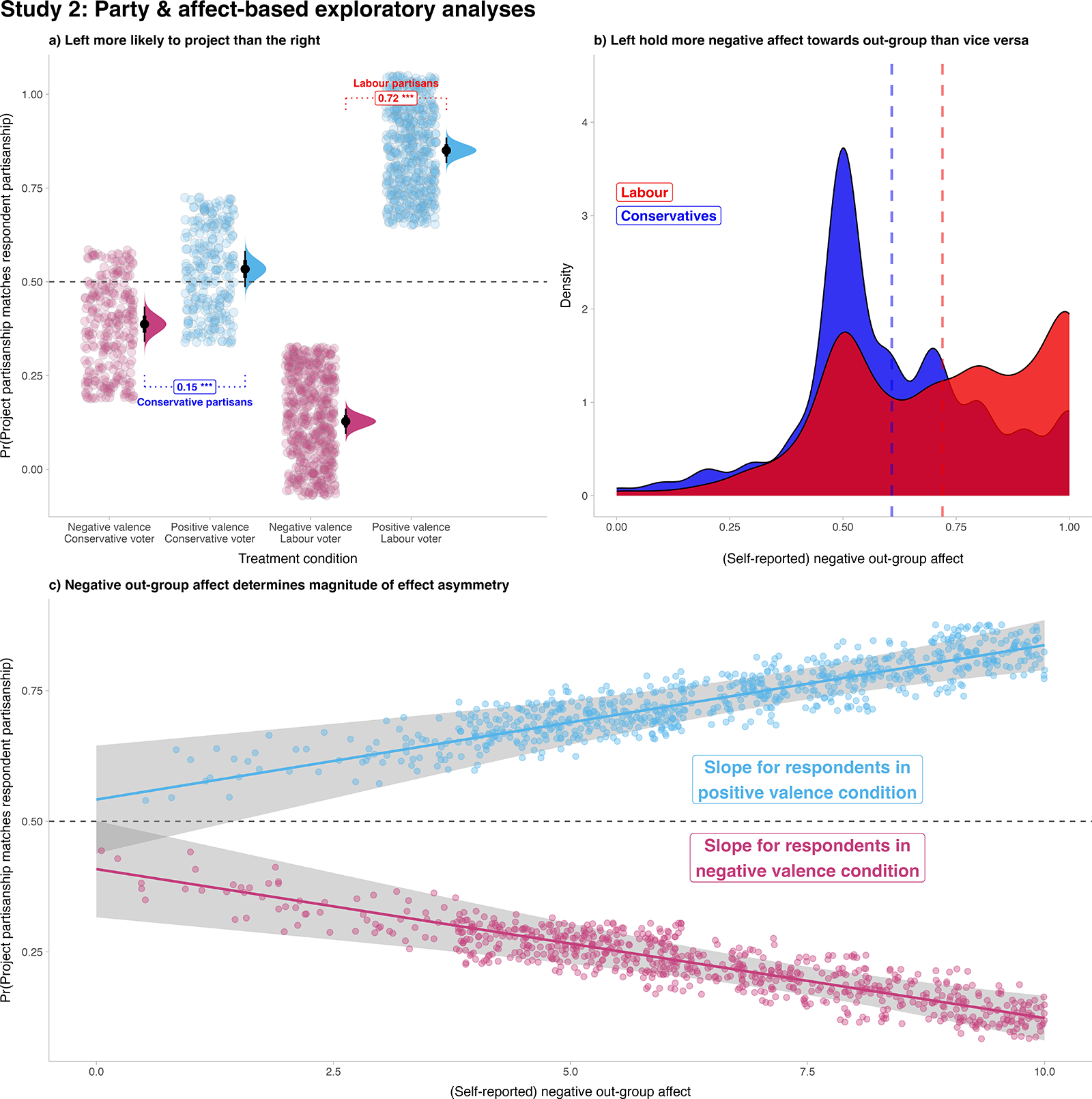
Heroes & Villains: Motivated Projection of Political Identities
2025
Do we citizens assume that virtuous heroes vote for the same party as we do and that cruel villains vote for the parties we dislike? Stuart Turnbull-Dugarte and co-authors fielded an experiment in the US and Britain to show people *assume* the partisanship of others in response to information about the moral compass of others. This research highlights the ease with which misperceptions and stereotypes about our political opponents can spread easily and fuel political polarization.
Read the full study
Far Right Normalization & Centrifugal Affect: Evidence from the Dating Market
2025
Are radical right supporters penalised in apolitical social settings? Stuart Turnbull-Dugarte and co-authors conducted a dating market experiment to show that, rather than being stigmatised, radical right party supporters are socially accommodated. In fact, centre-right supporters would rather date a radical right supporter than a centre-left supporter. This cutting edge experimental research contributes to explaining how radical right parties have become normalised in liberal democracies.
Read the full study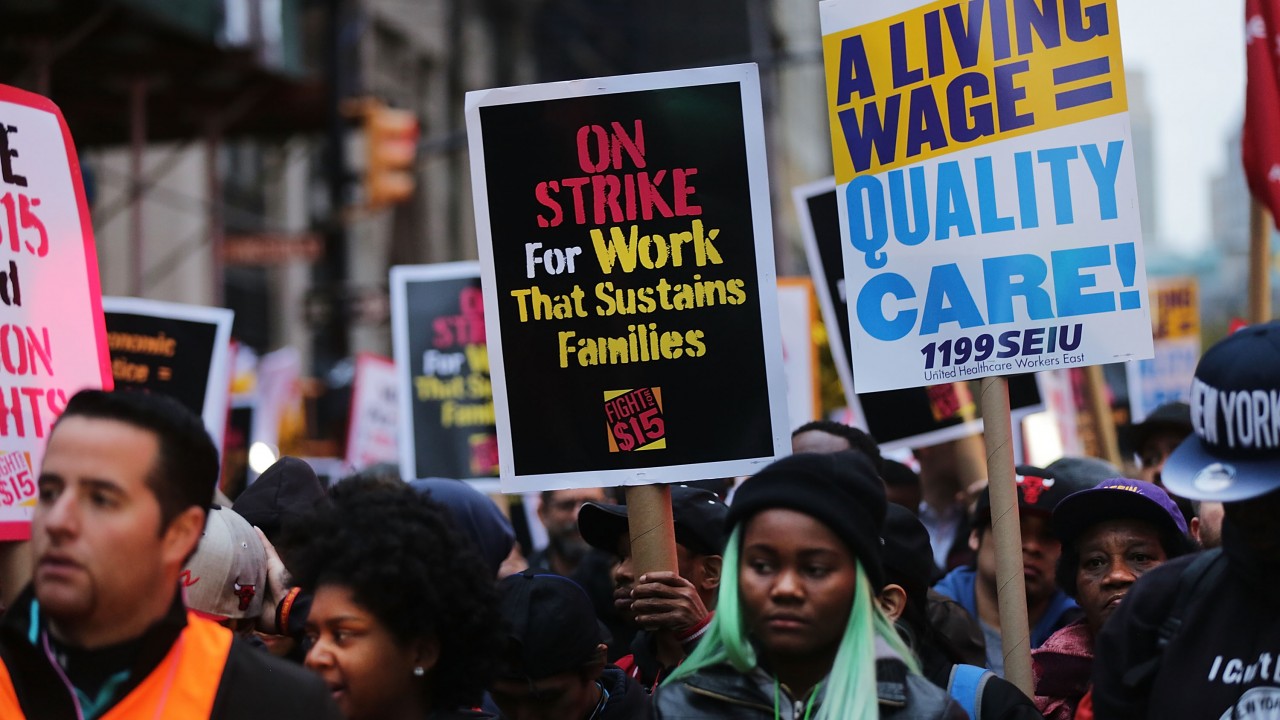
Success Denied: Social Class and Perceptions of Political Success
2025
Why are working class people under-represented in legislatures? We propose one potential mechanism: working-class individuals are perceived as less likely to achieve political success, and are subsequently 'pragmatically' discriminated against. We provide an experiment in the UK to test it.
Read the full study